Oct 28, 2026
Spoon Bowl Shapes: From Tea to Broth to Dessert
A spoon's bowl is shaped for what it carries — oval for general service, round for broth, shallow for dessert. The geometry map and the two flaws that make guests notice.
Journal
Read buying guides, product notes, material stories, and field updates from the team.
A spoon's bowl is shaped for what it carries — oval for general service, round for broth, shallow for dessert. The geometry map and the two flaws that make guests notice.
A fork's tines are engineered for specific food — the width, count, curve and spacing each follow function. A field guide to tine geometry across courses and cuisines.
Acceptance sampling turns "inspect the shipment" into statistics: how many pieces to open, how many defects to tolerate, and when to reject a lot. AQL for tableware buyers, without the textbook.
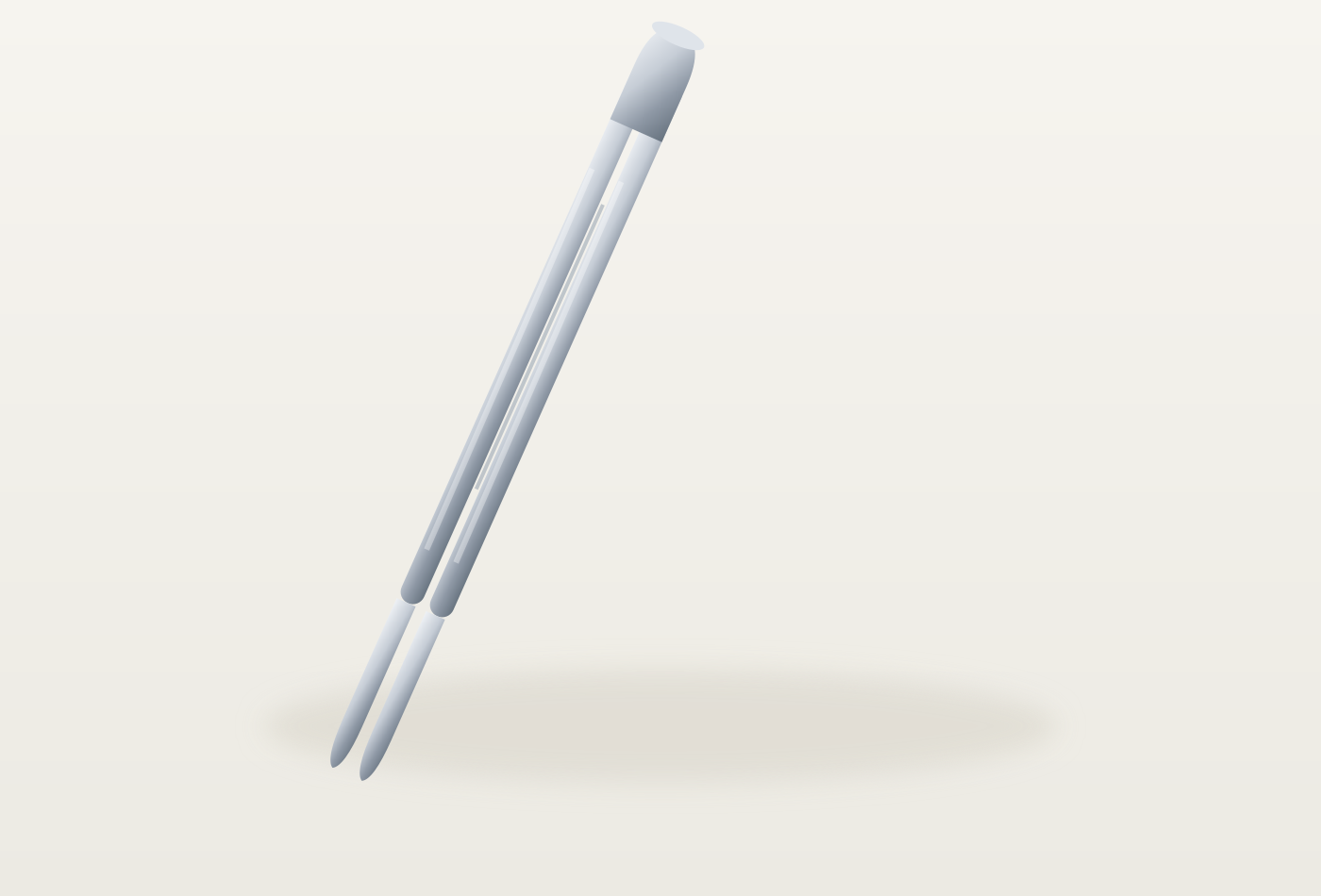
Rockwell hardness numbers are marketing until you can read them. A procurement-side guide to HRC values, 420 (3Cr13) steel, and batch spectral analysis.
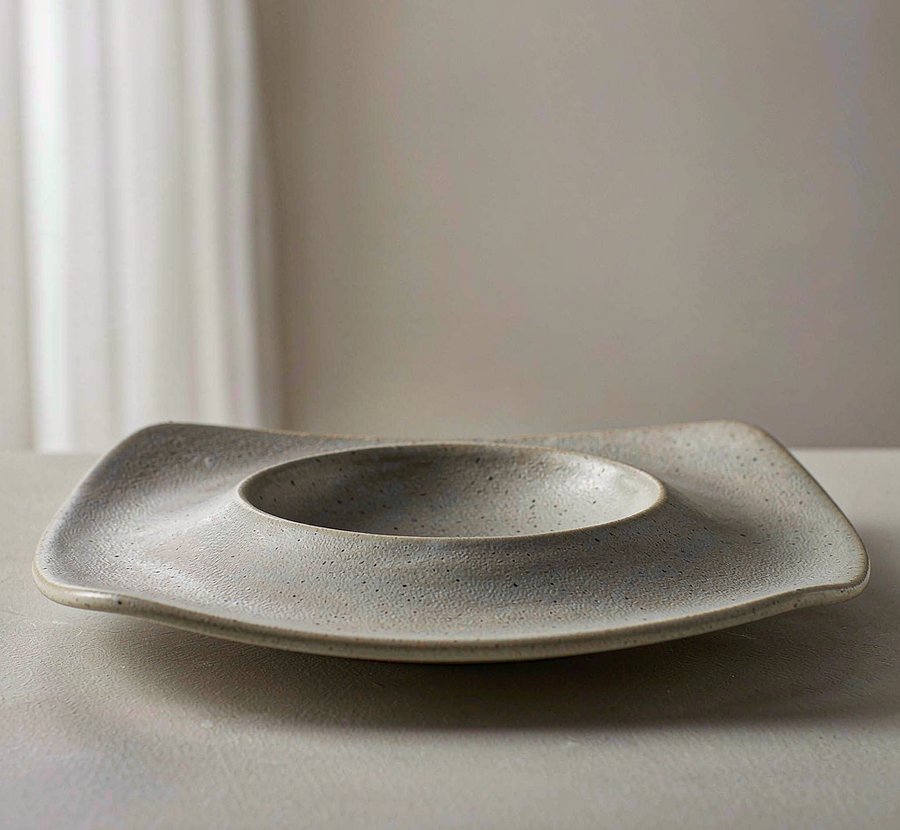
Drop rates, replacement cost, brand perception and compliance scope differ by material. A neutral framework for choosing per concept — not per trend.
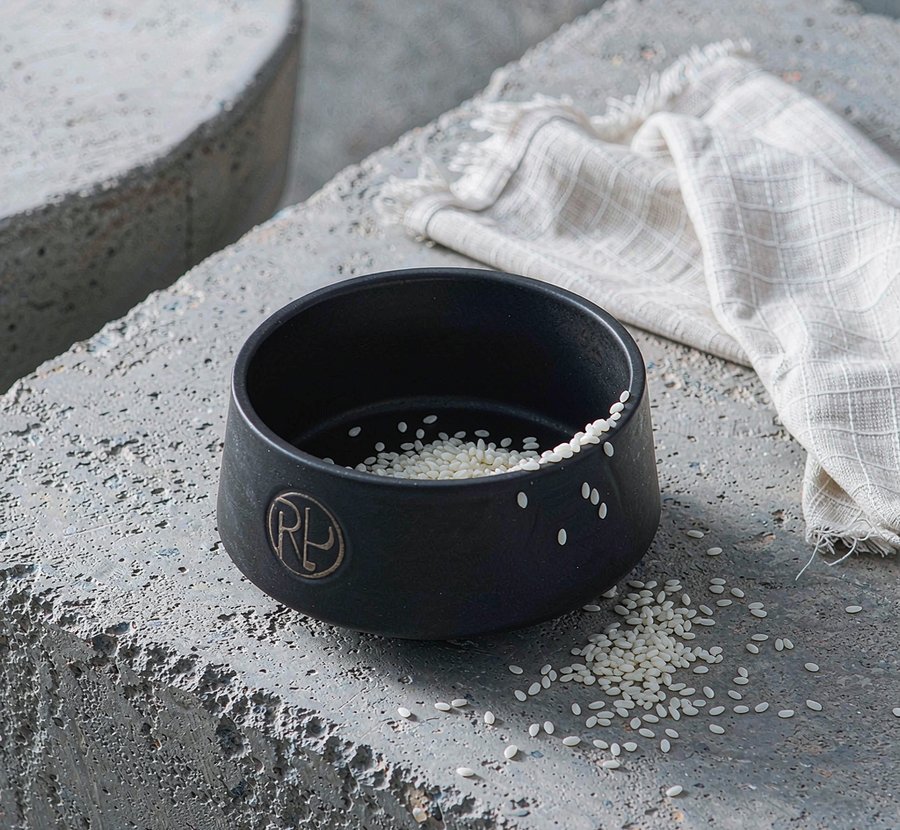
Chipping rims, warped melamine, faded logos — most chain tableware failures trace back to five specification gaps. A buyer's field guide to what breaks and which spec lines prevent it.
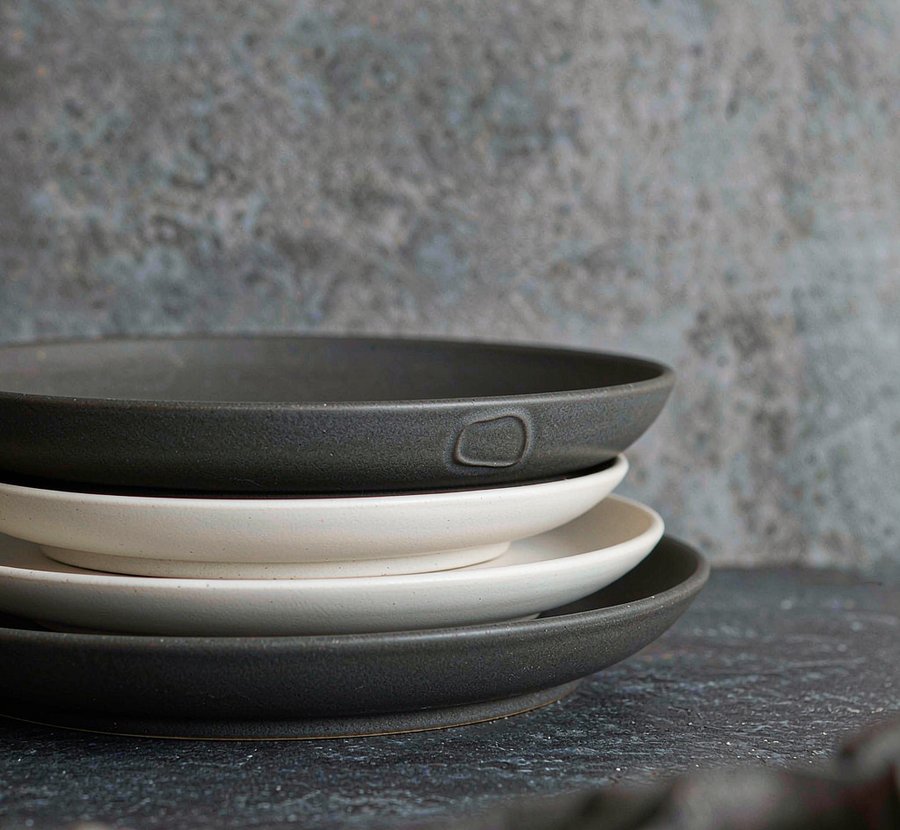
Custom tableware lives or dies at the sampling stage. A transparent look at what happens between your drawing and a production-ready first article.
Bottom marks, under-glaze laser marking and surface printing each behave differently in commercial service — where each logo method fits, and how to specify it so it survives.
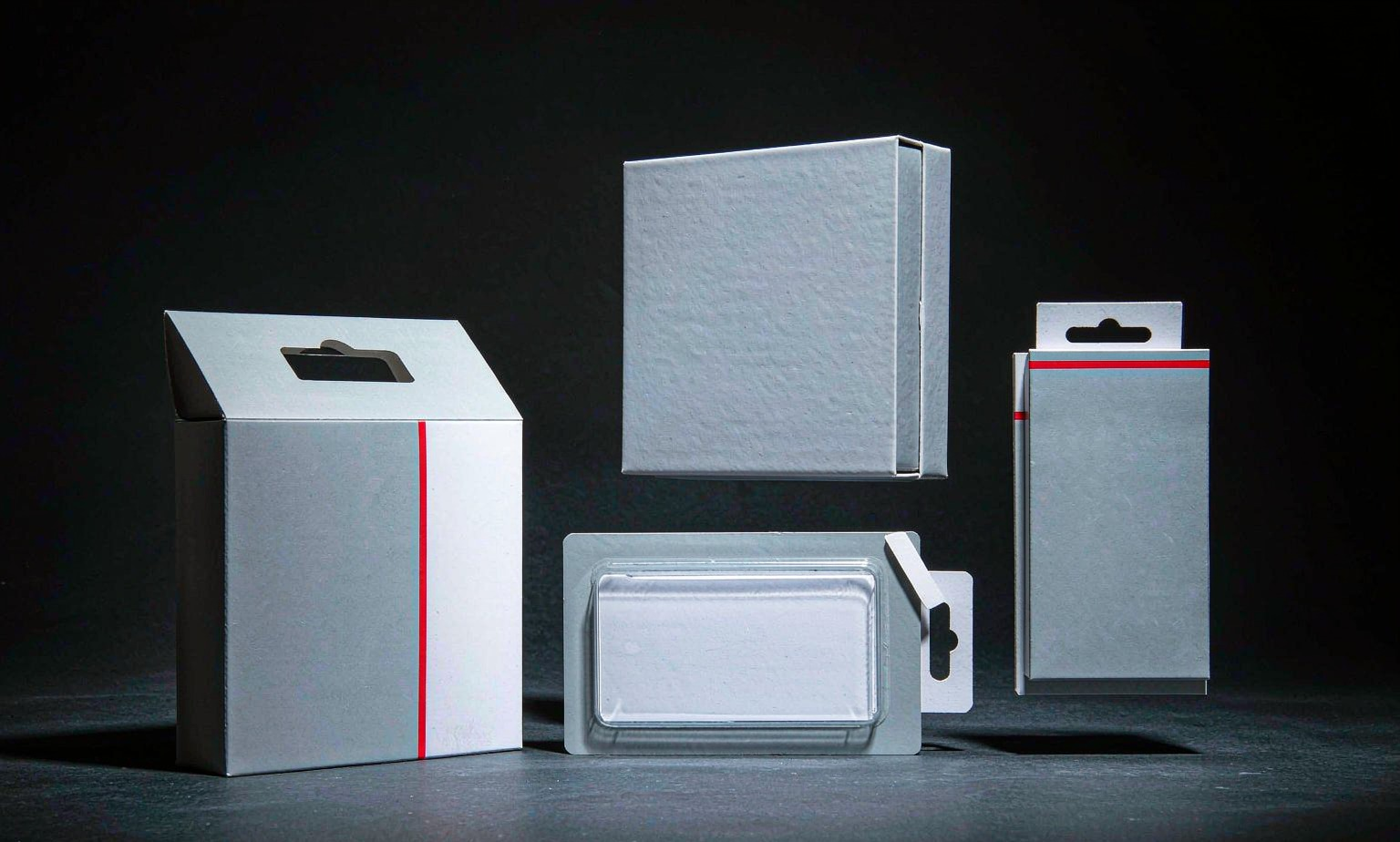
A hardware OEM order runs day 0 inquiry review to day 35-45 mass production. What happens in each phase, what buyers must supply, and where schedules actually slip.
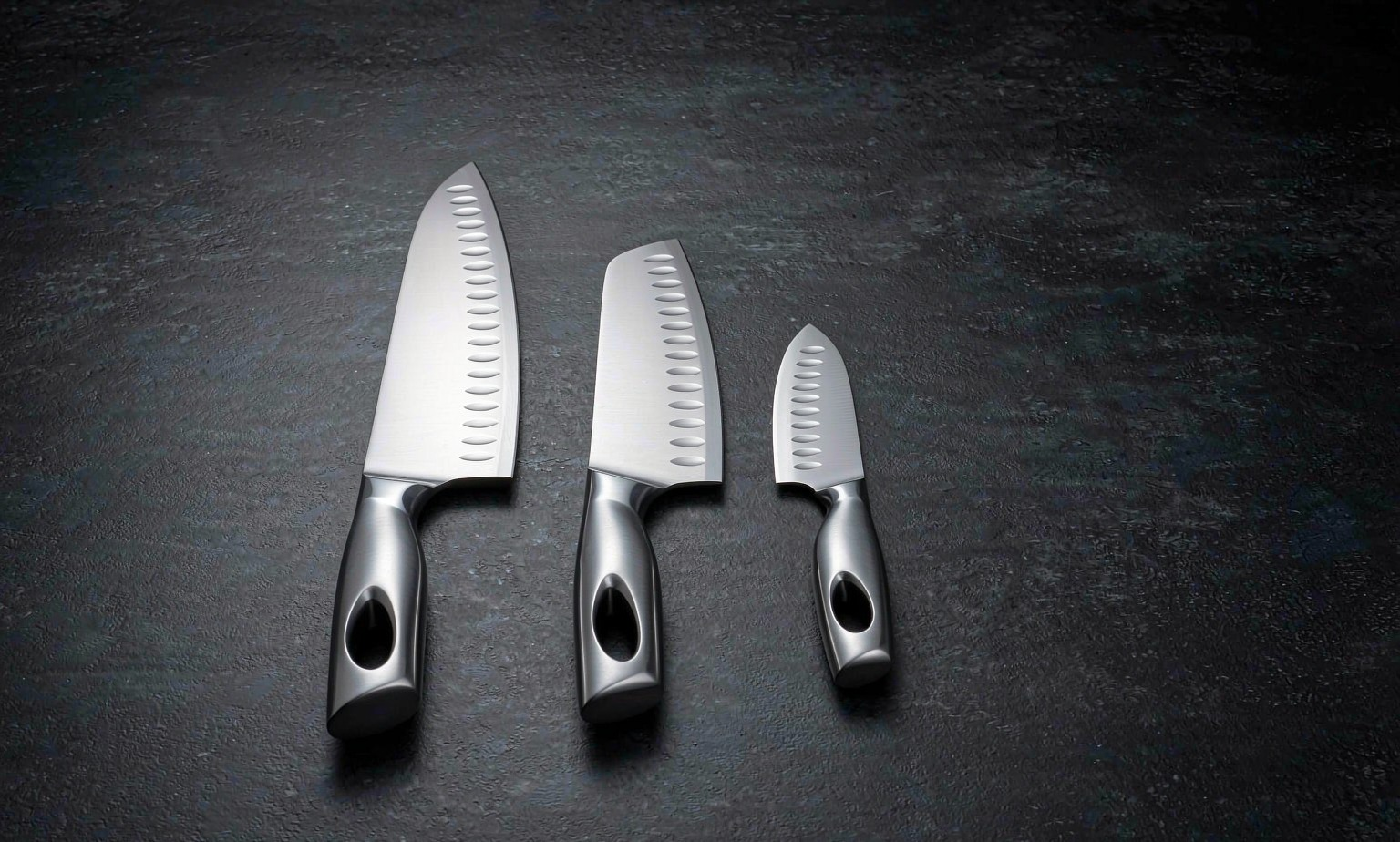
Santoku or chef's knife? Geometry, cutting motion, training cost, and board fit decide. How to build a mixed knife standard for chain kitchens across Asia and Mexico.
Recommended products
Popular pieces selected to support the routines, repairs, and ideas featured in our journal.
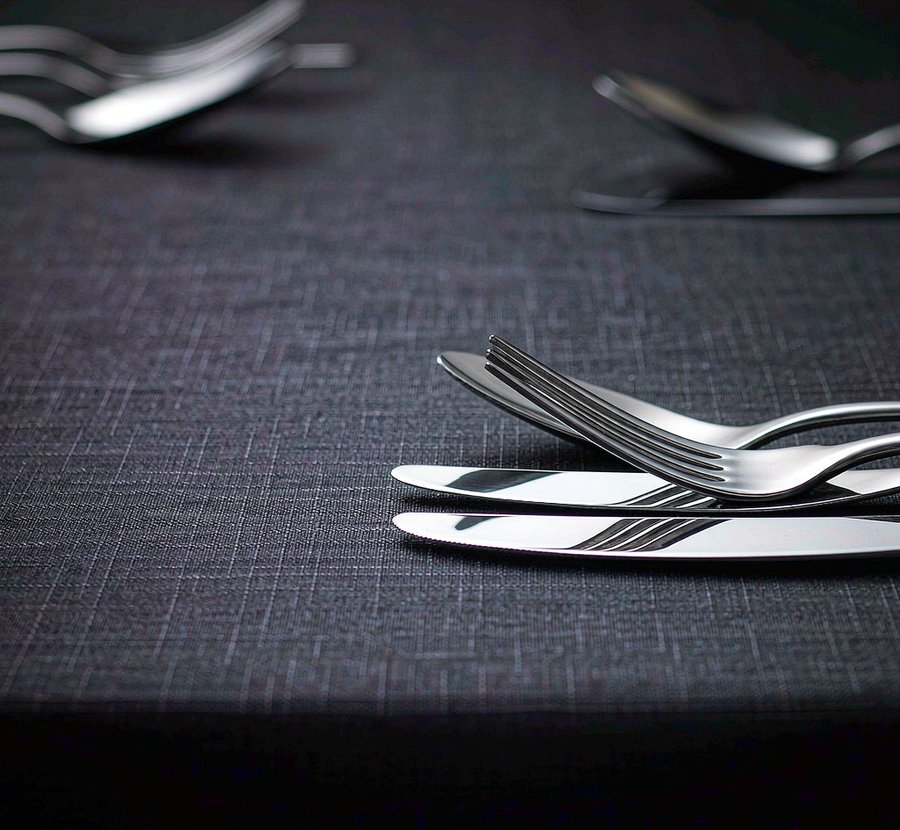
Stainless steel cutlery, spoons and kitchen tools for restaurant service, including specialty items such as 420 (3Cr13) plucking tweezers heat-treated to HRC 52 with a batch spectral analysis record.
Ceramic and porcelain plates, bowls and dishes for commercial restaurant service, sourced from established ceramic production regions.
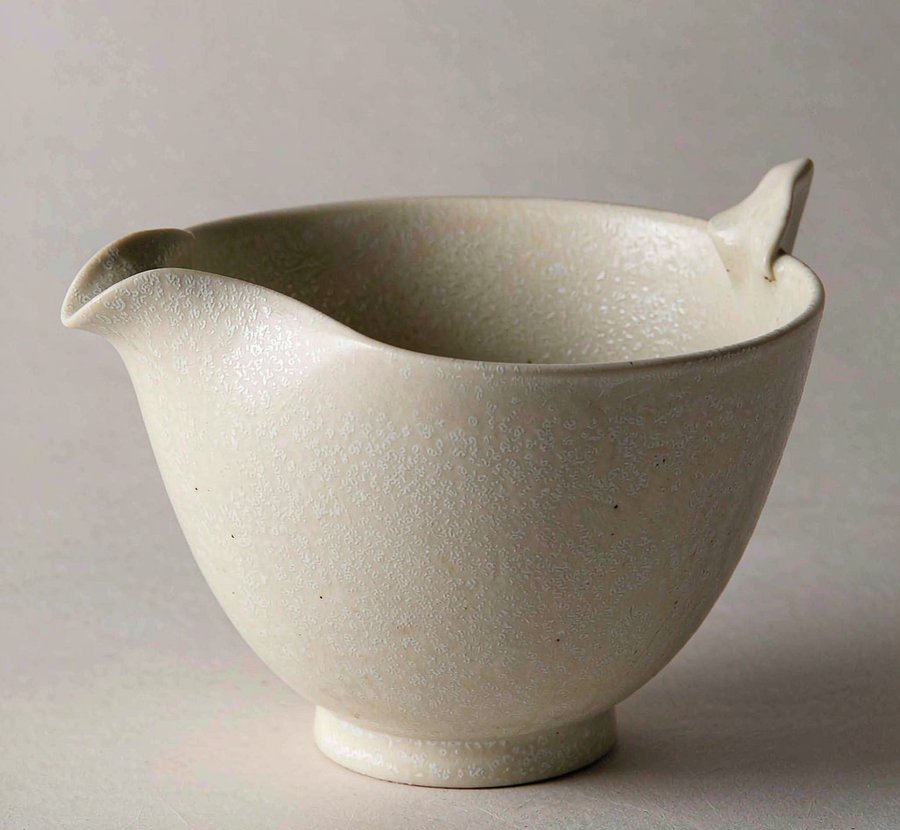
Katakuchi-style spouted bowl for sauces, dressings and shared pours — portion control and clean pouring without extra tools.
