
Oct 29, 2026Material & Compliance
Wooden Boards and Serveware: Washing, Oiling, Retiring
Wood carries the rustic register — with its own care laws. The wash boundary, oil discipline and scoring audit that keep wooden serveware safe and handsome.
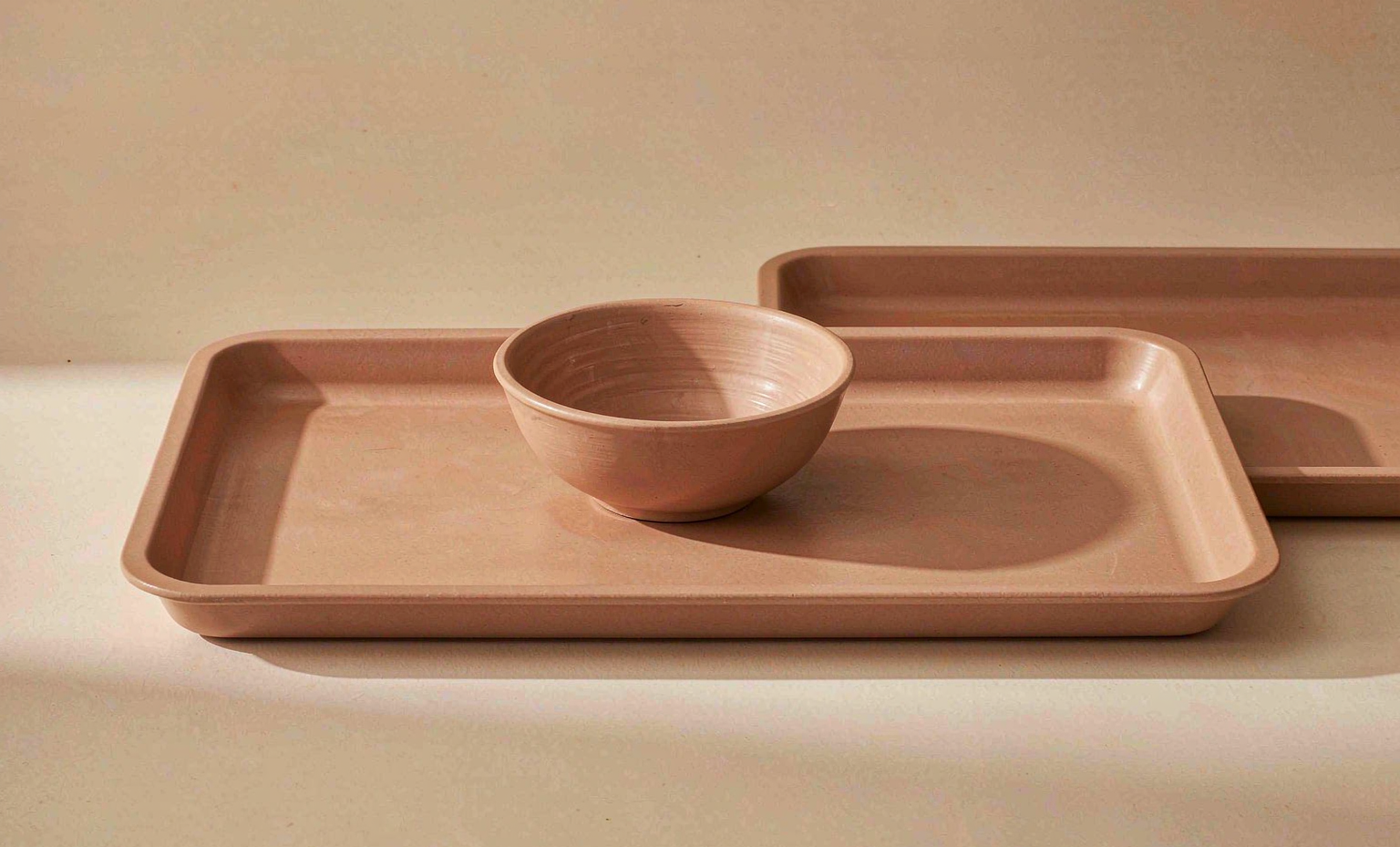
Wood is the rustic register's warmest material — the board under the steak, the bowl under the salad, the tray under the meze. It is also the fleet's most rule-bound material: no dish machine, real oil discipline, and a scoring audit that reads the board's history in its cuts. The wooden-ware program is three disciplines — washing, oiling, retiring — and each one keeps the register honest.
The Wash Boundary
The industry's clearest material rule: wood never enters the dish machine. The machine's heat and soak warp boards, split their fibers, and open the grain to bacteria. The wash protocol: hand wash, hot water, mild detergent, immediate drying — and the board dried standing (air on all faces) before storage. The training line: wood washes like cast iron — quick, warm, dried at once. The boundary's enforcement is the fleet's survival: one dish-machine cycle can ruin a board.
The Oil Discipline
Wood lives on oil: the food-safe mineral oil (or the board butter tier) applied on a rhythm — new boards conditioned before service, active boards oiled weekly or when the wood looks dry, the oil's thin coat and full wipe. The discipline's purpose: oil keeps the grain sealed (against moisture, stains and odors), prevents the cracking that harbors bacteria, and keeps the board's color alive. The oil shelf in the kitchen is as permanent as the detergent shelf: the board program runs on it.
The Scoring Audit
Cutting boards earn their history in scores: the knife lines that deepen with service. The audit reads them: light scoring is the board's patina (the rustic register's honesty), deep gouges are the safety line (they harbor moisture and bacteria, and they clean badly). The audit's protocol: the light test (raking light across the board's face), the gouge depth's judgment call (the fingernail test is the industry's honest gauge), and the decision — resurface (the professional sanding that renews the face) or retire. The scoring audit is the board program's food-safety core.
The Board Roles
Wood serves in distinct roles with distinct rules:
Role | Care weight | Notes |
|---|---|---|
Serving board | Light | Wiped, hand-washed, oiled weekly; never cuts on it |
Cutting board | Heavy | The scoring audit lives here; resurfacing scheduled |
Salad bowls | Medium | Oil discipline; the dressing's oil is a help, not a harm |
Trays and underboards | Light | The heat-guard tier; the wipe-down rhythm |
The roles' discipline: the serving board that starts cutting is the fleet's quiet failure — the roles are written on the board's back where the kitchen reads them.
The Stain and Odor Reality
Wood absorbs: the onion's smell, the berry's stain, the garlic's oil. The management: the lemon-and-salt scrub for odors (the classic, and it works), the stain acceptance where the register tolerates (the rustic look's honesty), and the retirement line for the odors that the scrub cannot beat. The stain-and-odor reality is wood's texture: the program manages it, the register forgives it.
The Crack Line
Wood's failure mode is the crack: the split that runs with the grain, harbors moisture, and never cleans. The prevention: the oil discipline (dry wood cracks), the storage's humidity sanity (not over the dishwasher's heat), and the wash boundary (the machine's soak is the crack factory). The crack line is absolute: a split board retires — no repair culture survives the safety math.
The Procurement Notes
Buying wood: the species matters (hardwoods — maple, walnut, beech — for cutting; the open-grain woods for serving only), the food-safe finish verified in writing, the thickness that survives resurfacing (the thick board is the economy), and the supplier's care sheet. The procurement discipline: wood is a durable good with a maintenance contract — the fleet plan prices the oil, the audit time and the resurfacing into the board's life.
The Register's Reward
The wooden fleet's payoff: the table's warmth that no ceramic matches — the board under the steak, the bowl under the salad, the tray that photographs like the menu's soul. The register's discipline is the price: the wash boundary, the oil shelf, the scoring audit. Wood rewards the houses that respect it — and the guests read the respect.
Frequently Asked Questions
Why can't wood go in the dish machine? Heat and soak warp boards and open the grain — one cycle can ruin a board. Hand wash, hot water, immediate dry, dried standing.
What does the oil discipline do? Seals the grain against moisture, stains and odors; prevents the cracking that harbors bacteria. Food-safe mineral oil, thin coats, on a rhythm.
When does a cutting board retire? At the deep gouge: the raking-light and fingernail tests read the scoring, and the choice is resurface or retire. The audit is the program's food-safety core.
Can serving boards become cutting boards? No — the roles are written on the board: the serving board's thinner stock takes no knife work. The quiet failure is the role drift.
What kills a wooden fleet? The crack: the split with the grain that never cleans. Prevention is the oil discipline, sane storage and the wash boundary — and a split board retires.

