
Oct 29, 2026Chain Operations
Seafood Boil Tableware: The Dump-Table Program
Seafood boil dumps the meal on the table — literally. The paper systems, shell buckets and hand-eating kit that make the mess a feature.
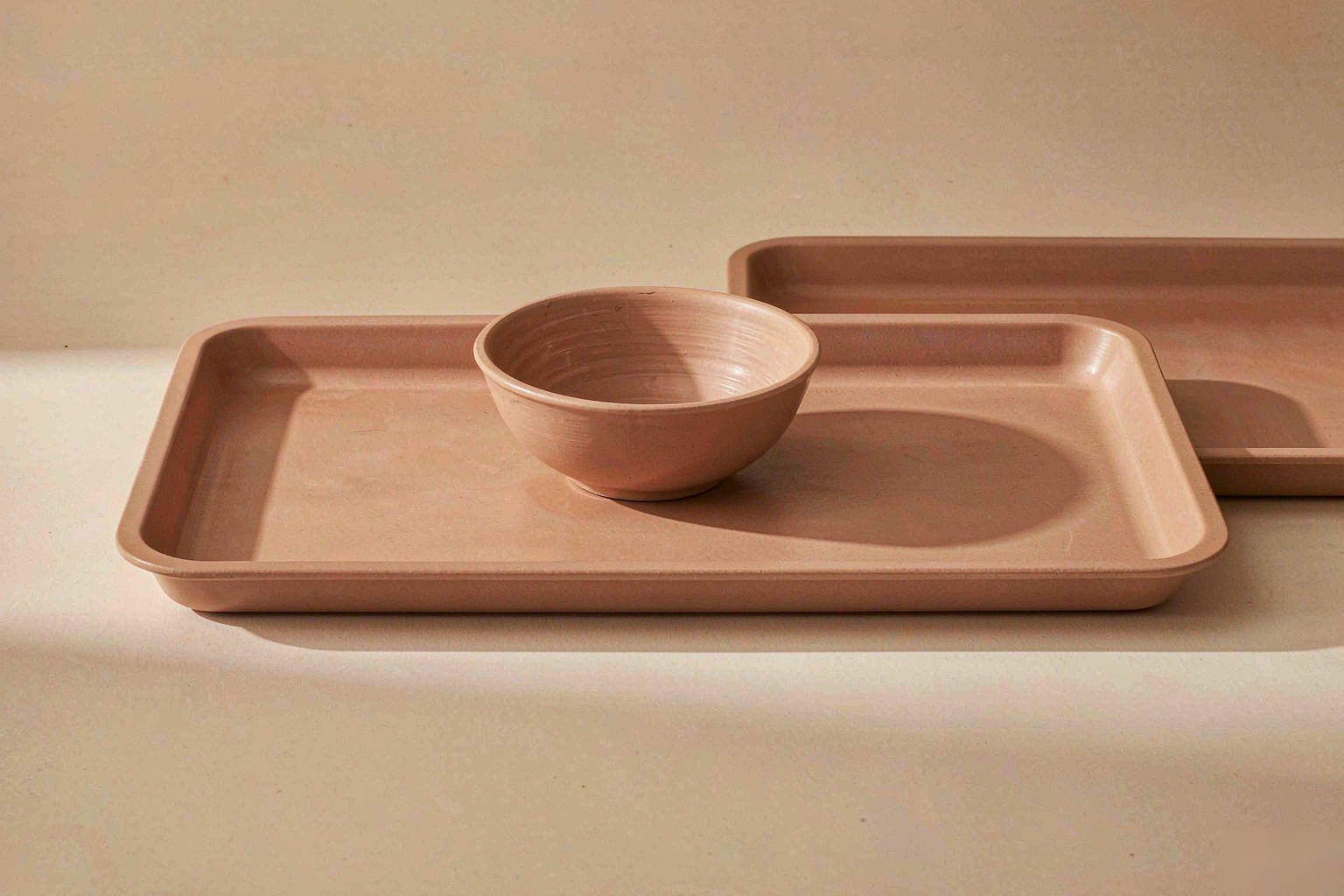
Seafood boil service inverts plating: the meal is poured — dumped — directly onto the table's surface or a paper-lined tray, and the guests dig in with their hands. Crawfish, shrimp, crab, corn, potatoes, sausage, all of it in one glorious heap, seasoned in the bag it boiled in. The tableware program is the anti-program: the fewer vessels, the better — but the vessels that remain (shell buckets, paper systems, the hand-washing kit) carry the whole operation.
The Dump Surface
The first decision: where does the boil land? The working systems:
Butcher paper on the table — the classic: kraft paper rolled across the table, the boil dumped in the middle, the paper changed per sitting. The table itself is the plate; the paper is the hygiene layer and the brand surface.
Paper-lined trays — individual trays for controlled portions and easier buses; the urban and casual tier's answer.
Metal trays — where the register wants the clang, reusable trays with paper liners.
The paper spec is load-bearing: grease and spice barriers that hold through a full sitting (the boil's seasoned butter goes everywhere), a weight that does not tear when a crab leg lands, and the print layer when the brand speaks.
The Shell Bucket
The format's signature vessel is the bucket for the aftermath: shells, corn cobs, lemon halves. The specs: a real bucket (metal or heavy polymer) with a rim that takes the toss, a size that survives the sitting without a mid-meal swap, and a liner system (bags) that makes the bus a lift-and-tie. The bucket's presence also sets the table's psychology — the guest who has somewhere to throw the shells engages the hands-eating freedom the format sells.
The Hand-Eating Kit
No utensils for the boil — but the hands need infrastructure:
Wet-naps or finger bowls staged at the seat and refreshed mid-meal.
Paper towel rolls or dispensers on the table (the format's napkin economy is industrial).
Seafood tools for the stubborn pieces — crab crackers, picks, and the shrimp deveiner for guests who want them; a small tool fleet counted at clear-down.
The bib question — the plastic bib is the format's photo ritual; chains that provide them buy brand media and stain insurance in one sheet.
The Sauce and Butter Layer
The boil's seasoning arrives in dips and draws: drawn butter cups, the house sauce ramekins, extra spice on the table. The specs: small heat-safe vessels (the butter arrives warm), glazes that survive the spice oils, and a refill rhythm that keeps the tuning layer alive. Where the boil is ordered by heat level, the sauce vessel's color or mark can carry the signal.
The Beverage Stack
The boil demands the coldest drinks on the menu: big iced tumblers, pitchers of tea and lemonade for the table, and the beer bucket — a metal vessel of ice that lives on the table. The specs: tumblers with real capacity (the spice demands it), coasters or napkin discipline for the condensation, and the bucket's water-tightness (a sweating bucket is part of the look; a leaking one is not).
The Bus and Reset Ritual
The boil's bus is a performance: paper rolled up with the meal's remains, buckets lifted and tied, trays stacked, table re-papered. The reset is fast by design — five minutes to a fresh table — and the ware system is what makes it possible: liners instead of plates, bags instead of scraping, a paper dispenser mounted where the resetter needs it. The format's table-turn economics live in this ritual.
The Outdoor and Patio Tier
Boils often run outdoors, where the program adds weather: paper weights (the wind is real), bucket lids that keep the flies honest, and heavier trays that survive patio tables. The patio tier's material notes: melamine and polymer over glass, weighted paper systems, and a sun-fast print for the branded paper.
The Heat-Level Signal System
Boil concepts sell spice by level — mild to “do not” — and the table needs the signal to survive contact: bag marks, sauce-vessel colors, or a marker system that travels from the order to the dump. The system’s discipline: the signal must be visible at the table (the dump hides the bag), unambiguous to the runner, and consistent across stores. Chains that carry the heat signal on the paper or the bucket liner keep the promise legible through the chaos.
Frequently Asked Questions
Plates or no plates? No plates — the dump is the format. Paper on the table or lined trays carry the meal; the ware budget goes to buckets, towels and the hand-eating kit instead.
What is the format's signature vessel? The shell bucket — it sets the table's psychology (somewhere to throw), carries the aftermath, and makes the bus a lift-and-tie.
How does hygiene work in a hands-eating format? Infrastructure, not utensils: wet-naps staged and refreshed, paper towels on the table, seafood tools for the stubborn pieces, and a paper change per sitting.
What breaks the reset ritual? Scraping. The system that works replaces scraping with lifting — paper rolled, bags tied, trays stacked — and the table re-papered in minutes.
Melamine or metal for trays? Metal for the register and hot dumps; melamine for quieter rooms and lighter fleets. Both get paper liners — the liner is the hygiene layer either way.

