
Oct 29, 2026Chain Operations
Poolside and Beach Club Tableware: Sun, Splash and Safety
Pool service is wet feet, hot sun and bare hands. The unbreakable, UV-stable, grip-safe fleet that keeps the deck elegant and the water safe.
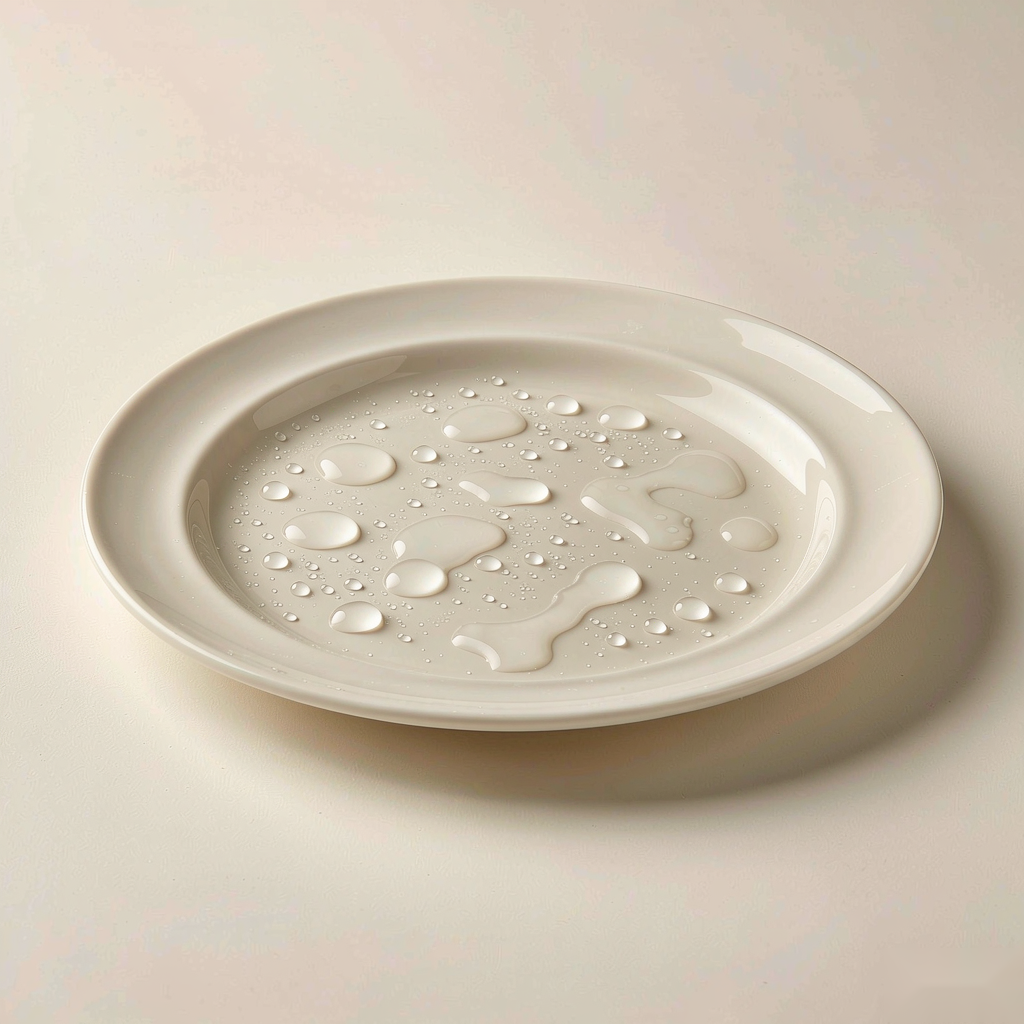
Pool service runs on wet physics: bare feet on slick decks, drinks on loungers, sun on everything, and a zero-glass rule that no operator ever breaks twice. The poolside ware program is unbreakable by law, UV-stable by season, and grip-safe by design — while carrying a register that reads resort-luxury, not pool-party-chemical.
The Zero-Glass Rule
Glass and pool decks are the industry's absolute: broken glass in water means draining the pool, and the risk line runs deeper than the cleanup. The fleet answer: polymer tumblers with the clarity and weight that read grown-up, melamine plates with texture that reads ceramic, and the deliberate plastic coupe where cocktails lead. The modern polymer tier has closed most of the register gap — the fleet's challenge is choosing pieces that feel intentional, not chemical.
The UV Season
Poolside materials live in the sun's hardest test: months of direct UV, heat cycles day and night, chlorine splash. The specs: UV-stable polymers and pigments (cheap materials chalk, fade, and go brittle in one season), samples that spend a real season on the deck before the fleet buys, and the color program that plans for the sun (darker tones hide wear; bright tones fade less visibly than mid-tones). The UV test is the poolside fleet's first sourcing gate.
The Wet-Hand Problem
Pool guests hold drinks with wet, slippery, sunscreened hands. The vessel's answer: grip textures on tumblers, weighted bases that forgive the fumble, and shapes that stay stable on lounger arms and deck ledges. The straw-and-lid tier for the lounger service: lidded cups that survive the tip, straws that take the sun's chemistry. The wet-hand spec is the format's most practical luxury: the guest notices a glass that does not slip.
The Lounger Service Geometry
Drinks and plates land on lounger arms, side tables, and towels — none of them tables. The ware geometry: shapes that sit stable on narrow arms (flat-based, low-center), footprints that share the side table with the guest's book, and the service tray that carries a round for four across the deck. The lounger's logistics are the pool program's service design: the tray route, the bus cadence, the empty-collection ritual that keeps the deck clean without nagging the guests.
The Towel and Splash Discipline
Water moves everywhere: splashes wet the tables, condensation rings pool, the deck's surfaces stay damp. The ware answers: coasters or napkin systems that manage the ring, plates that drain (a dished plate holding splash water reads as neglect), and the wipe-down rhythm that keeps the surfaces honest between rounds. The splash discipline is the pool program's housekeeping signature — visible in every guest photo.
The Food Menu's Vessels
Pool menus run light and hand-held: salads in wide bowls, wraps and sandwiches in baskets, fruit plates, the snack tier at the swim-up bar. The specs: unbreakable everything, vented formats for the fried tier, and the swim-up bar's underwater-adjacent logistics (polymer only, weighted, and the count discipline that reads what walks into the water). The pool menu's ware is the beach club's daily loop.
The Swim-Up Bar Special
The swim-up bar is the format's signature stage: guests in the water, drinks on a submerged counter, ware at the waterline. The specs: polymer-only at the bar, weighted bases that stay put against current and elbows, and the collection ritual that clears the waterline before the evening. The swim-up bar's ware is the pool program's most public line — and its count at shift end is the loss line's loudest read.
The Sun-Down Transition
Pool decks transition at dusk: the day fleet washes, the evening fleet stages, the candle and lamp discipline engages (flame-safe holders, the glass question revisited by zone). The transition ritual: the deck's sweep (the day's lost pieces found before the evening's dark hides them), the fleet swap, and the lighting plan that keeps the unbreakable rule honest after sunset. The transition is the pool program's shift change — the ware's day has two halves.
Frequently Asked Questions
Why is the zero-glass rule absolute? Broken glass in a pool means draining it — and the injury risk runs deeper than cleanup. Polymer and melamine carry the register; modern pieces read intentional, not chemical.
What survives a season of sun? UV-stable polymers and pigments, proven by a real season on the deck before purchase. Cheap materials chalk and go brittle in one summer.
How do wet hands change the spec? Grip textures, weighted bases, lidded lounger service — the vessel that does not slip is the format's most practical luxury.
What is the swim-up bar's discipline? Polymer only, weighted bases, and the end-of-shift collection ritual — the waterline is the loss line's loudest read.
What happens at sun-down? The fleet swap: day fleet washes, evening fleet stages, flame-safe holders engage, and the deck sweep finds the day's lost pieces before dark hides them.

