
Oct 29, 2026Chain Operations
Late-Night Venue Tableware: The 2 A.M. Fleet
After midnight the room changes physics — dark, loud, full. The unbreakable, findable, fast-reset ware system that serves the 2 a.m. crowd.
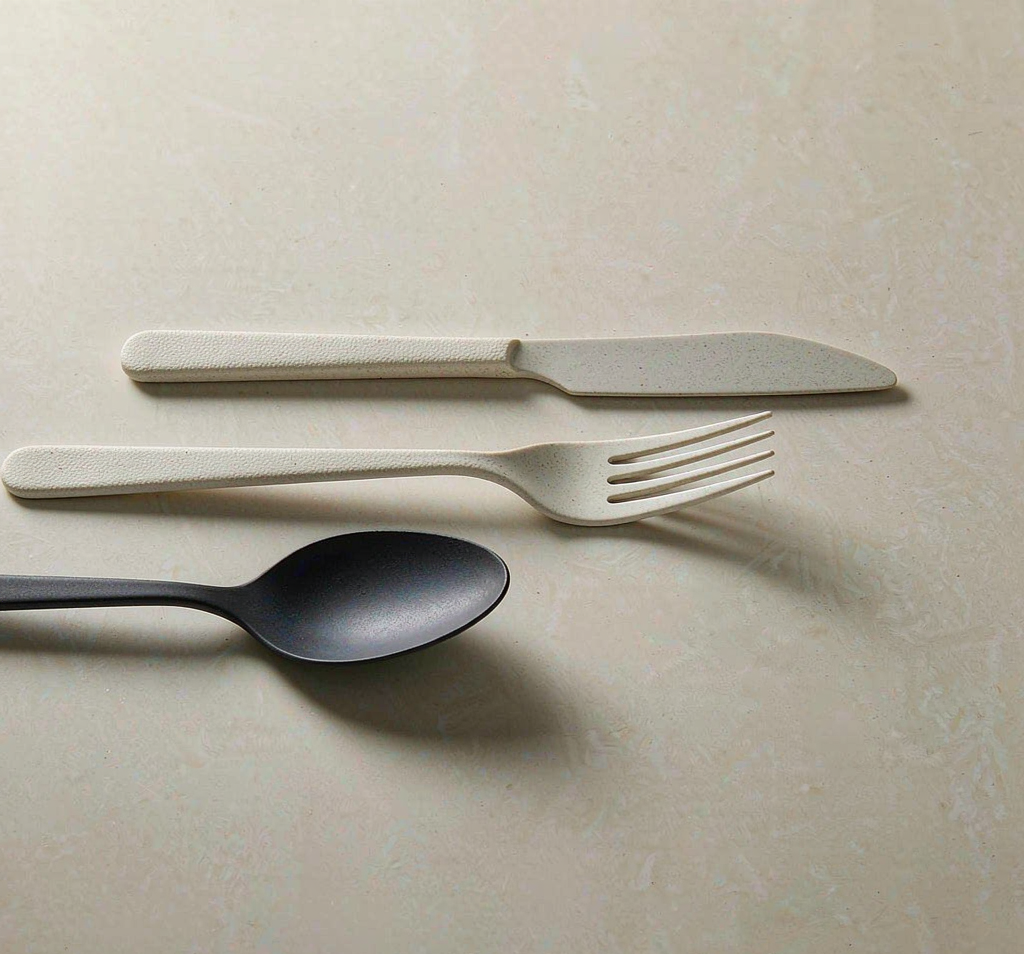
After midnight, dining physics change. The room is dark, the floor is loud, guests are standing and moving, and attention is everywhere except the table. Late-night venues — clubs, bars with kitchens, after-hours spots — run a ware fleet engineered for those physics: unbreakable, findable in dim light, fast to reset, and cheap enough that loss is a line item, not a crisis.
The Physics of the 2 A.M. Room
Three forces shape the fleet: gravity (things fall — elbows, dances, dark corners), sight (guests and staff see poorly — ware must read by shape and color), and time (the reset happens in waves between songs). The ware answers: no glass where the floor moves, colors and shapes that read in low light, and vessels that stack into a bus tub in one grab.
The Unbreakable Fleet
The 2 a.m. fleet is polymer and melamine, deliberately: plates with weight-feel (flimsy reads cheap even in the dark), tumblers that survive the drop test as policy, and no glassware at all where the room's energy demands — the stemless, the shatterproof tier, or the deliberate plastic coupe that has become its own register. The spec that separates good late-night ware from bad: density. Thin polymer tips, cracks, and reads disposable; dense pieces feel intentional at every price point.
The Findable Fleet
Dim light changes the color logic: dark plates vanish into dark tables (and broken pieces vanish into dark floors). The working palettes: light and bright fleets that read against dark surfaces, or high-contrast color programs that make every piece legible to the runner and the sweeper. The floor-safety line: a piece that breaks must be findable — bright fleets sweep clean; dark fleets hide hazards.
The Food That Fits the Fleet
Late-night menus are engineered for the fleet: hand foods, one-vessel formats, nothing that needs a knife. The vessels: cones and boats for fries, cups for noodles, trays for the share platters that anchor a booth. The spec is one-hand eating with a drink in the other hand — the vessel carries its own structure, its own sauce control, and a footprint that survives a crowded ledge.
The Booth and Ledge Reality
Late-night surfaces are ledges, not tables: narrow, crowded, sometimes vertical. The ware geometry: weighted bases for the standing surfaces, vessels that nest against the ledge's edge, and the share platter sized to the booth's center. The ledge's chaos is the format's physics — the fleet either works with it or wears it.
The Reset Waves
The night resets in waves: the wipe-and-stack between DJ sets, the deep reset at the lull, the closing sweep. The ware system: stack-deep everything, bus tubs staged at the edges, and the reset kit (cloths, bins, the spare stack) positioned where the waves break. The closing sweep is the safety ritual: the floor checked piece by piece, the dark corners swept for glass-adjacent debris, the fleet counted against par.
The Loss Economy
Late-night venues lose ware at rates no dining room sees — walked, dropped, disappeared into the night. The program's honesty: a loss factor written into the fleet math, dense unbranded pieces for the high-risk classes, and a count rhythm that reads the trend (a loss spike with a theme night is a pattern; a spike without one is a problem). The fleet that accepts loss buys calm; the fleet that fights it buys midnight inventory emergencies.
The Security Layer
Venues with security concerns add the glass-free rule as policy: no real glass anywhere the crowd flows, shatterproof everything at the bar's edge, and the vessel's weight tuned so it throws badly (a sad but real spec in some rooms). The security fleet's register: deliberate, dense, color-managed — the pieces that read as design choices, not compromises.
Frequently Asked Questions
Why polymer instead of glass everywhere? The room's physics: gravity plus sight plus crowd flow. Shatterproof ware is a safety policy first and a loss policy second — and the dense modern pieces carry the register.
What makes late-night ware "findable"? Light colors or high contrast against dark surfaces — for the runner, the busser, and the floor sweep. A dark plate on a dark floor is a hazard that hides.
How does the menu fit the fleet? One-hand formats with self-contained sauce: cones, boats, cups, share trays. Nothing needs a knife; everything eats standing with a drink in the other hand.
What is the loss economy's rule? Write the loss factor into the fleet math, buy dense unbranded pieces for the risky classes, and read the trend with a count rhythm. Calm beats midnight emergencies.
What does the closing sweep check? The floor piece by piece, the dark corners, the fleet against par. It is the safety ritual and the inventory rhythm in one pass.

