
Oct 29, 2026Chain Operations
Co-Working Café Tableware: Laptops, Lids and Long Stays
Co-working cafés host guests who stay for hours with a laptop. The lid-first fleet, keyboard-safe zones and the refill rhythm of the all-day table.
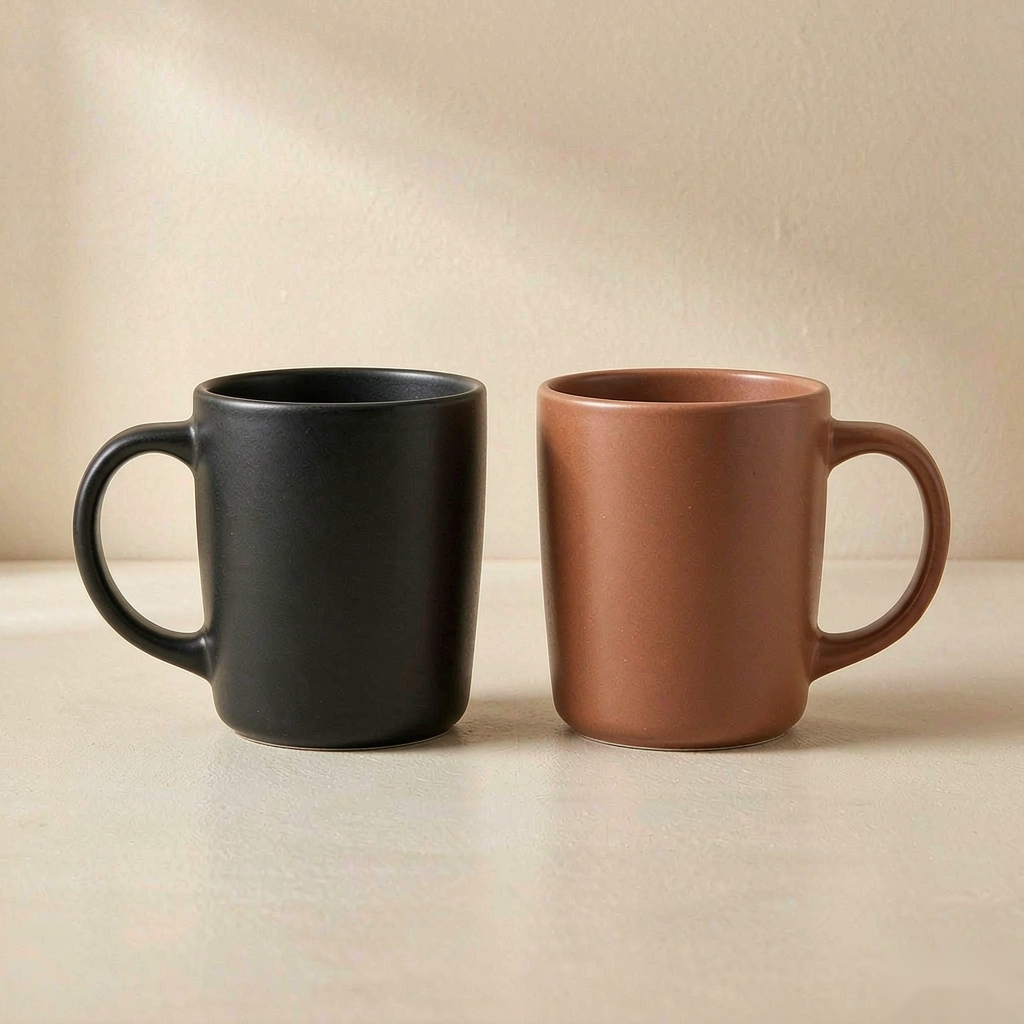
The co-working café is an office with a menu: guests arrive with laptops, stay for hours, and treat the table as a desk. Its ware program serves a new dining physics — drinks beside keyboards, meals eaten one-handed over spreadsheets, cups that live at a workstation for an afternoon. The program's laws: lids first, keyboard safety always, and a refill rhythm that respects the stay.
The Lid-First Law
Laptops on tables change the drink's stakes: a spill is not a napkin event, it is a liability event. The fleet's answer: lidded cups as the default for table service in laptop zones, wide stable bases, and the lid's one-hand operation (the guest's other hand holds the mouse). Where the register resists lids (the ceramic cup's warmth), the table's zoning does the work — coaster-plus-distance rituals, or the dedicated keyboard-free tables. The lid-first law is the format's insurance policy, written in ware.
The Long-Stay Vessel
Co-working guests keep cups for hours: the vessel must survive the stay — heat holding through a long session, a footprint that shares the desk with the laptop, and the refill ritual that refreshes without clearing. The specs: thick-walled cups and thermal tiers for the long haul, a "refill not replace" service rhythm (the same cup, topped), and the water glass that lives beside the laptop all day. The long-stay vessel is the format's signature: the cup that belongs at a desk.
The Keyboard-Safe Menu
The menu bends to the physics: one-hand foods, bowls over plates (contained), nothing saucy at the keyboard zones. The vessels: the grain-bowl class (deep, stable, lidded for the to-go half of the audience), the sandwich-and-wrap baskets, and the snack tier at the bar. The keyboard-safe rule shapes both menu and ware: the format's food is engineered for the desk's geometry, and the vessels follow.
The Bar-Counter Workstation
The window bar is the format's most productive seat: guests line the counter with laptops, and the ware works the ledge — cups that fit the counter's depth, the power-strip diplomacy (vessels placed away from the outlets), and the wipe-down rhythm that works around the keyboards. The counter's service is the format's choreography: refill without interrupting, clear without hovering, and the standing guest's space respected.
The Meeting-Table Tier
Co-working cafés host meetings: the four-top with a pitch, the interview corner, the stand-up huddle. The ware tier: the meeting table's real cups (the register upgrade where the meeting pays), the water carafe for the table, and the small-plate service for the working lunch. The meeting tier's ware is the format's revenue upgrade — the table that books for an hour should feel like a private office with a kitchen.
The To-Go Continuity
Co-working guests move: desk to meeting room to home — the to-go system is the dine-in's twin. The specs: the same lid discipline, the cup's carry geometry (a handle or a sleeve that survives the bag), and the return culture (the discount for bringing the cup back — the format's loyalty loop). The to-go continuity is the format's sustainability story told in operations, not slogans.
The Afternoon Decline
Co-working cafés run a long curve: the morning rush, the all-day plateau, the afternoon's slow decline. The ware rhythm: the mid-day reset (stacks rebuilt, the counter wiped around the laptops), the afternoon's deep-clean windows in the quiet corners, and the closing ritual that clears the day's desk-fleet. The curve's discipline: the fleet's staging follows the stay, not the rush.
The Community Table
The long communal table is the format's signature: strangers sharing a surface for hours. The ware diplomacy: vessels that respect the shared space (compact footprints, no sprawling boards), the outlet-and-cup choreography, and the cleaning signals (the bus-your-own-cup culture where the format runs self-clear). The community table's ware is the format's social contract made physical.
Frequently Asked Questions
Why lids first? Laptops make spills liability events: lidded cups, stable bases, and one-hand operation are the format's insurance policy. Where registers resist lids, table zoning does the work.
What is the long-stay vessel? Thick-walled, thermal, desk-footprinted — the cup that lives beside a laptop for hours, refilled rather than replaced. It is the format's signature piece.
How does the menu serve the keyboard? One-hand foods and contained formats: bowls over plates, baskets for sandwiches, nothing saucy in the keyboard zones. The vessels follow the desk's geometry.
What is the to-go continuity? The same lid discipline on the move: carry geometry, a return-cup culture, and the loyalty loop that makes the format's sustainability operational.
How does the community table stay functional? Compact footprints, outlet-and-cup choreography, and the self-clear culture where it runs — the ware is the social contract made physical.

