
Oct 29, 2026Chain Operations
Corporate Cafeterias: The Monday-to-Friday Fleet
Corporate cafeterias serve the same thousand guests five days a week. The peak-hour fleet, tray-line speed and the ware program that survives the weekly rhythm.
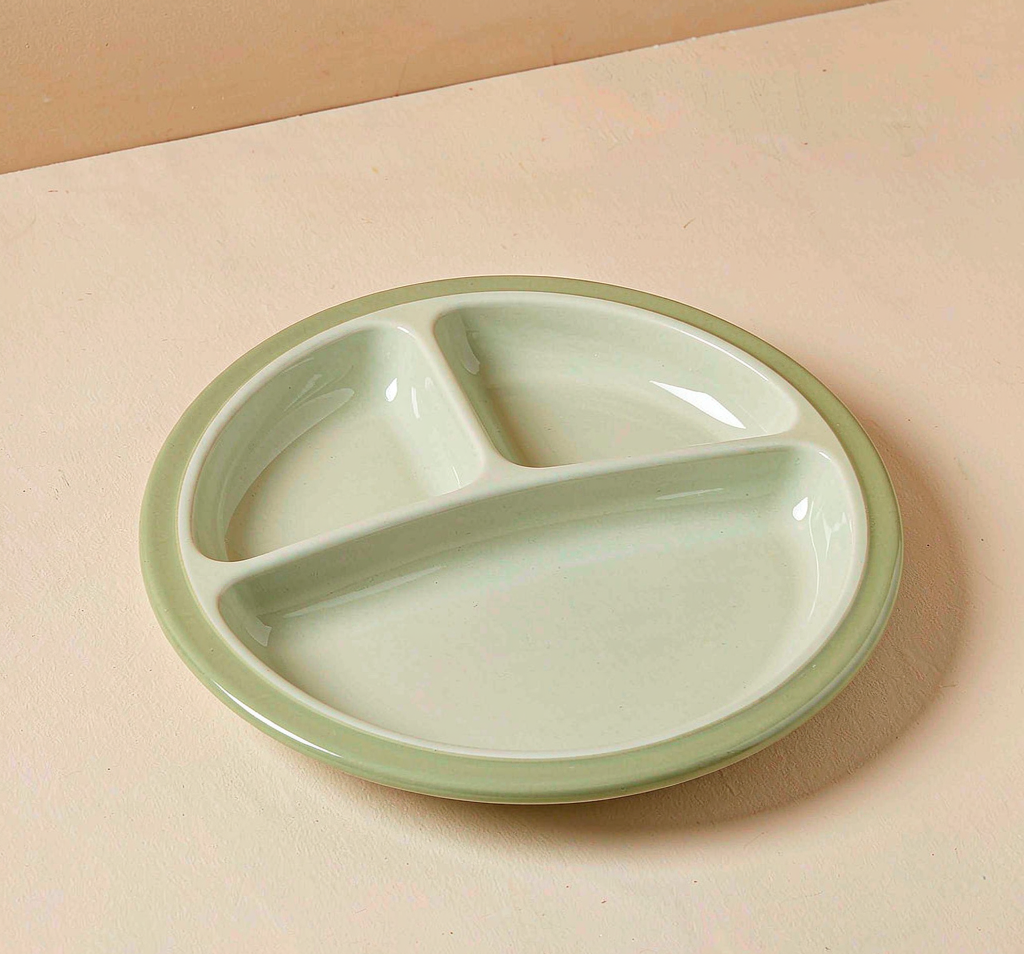
The corporate cafeteria serves an unchanging audience on an unchanging schedule: the same employees, five days a week, in the same twelve-to-one storm. Its ware program is rhythm engineering — a fleet that survives 250 lunch storms a year, a tray line that moves a building in forty-five minutes, and the morale math of feeding the company well.
The Peak-Hour Storm
The cafeteria's day is one hour long: the lunch rush compresses the building's hunger into a wave. The ware system: tray-line geometry that moves without decisions, plate and bowl stacks staged deep at the stations, and the dish room's cycle sized to the storm. The fleet's depth math: covers × pieces per cover × the wash turnaround — sized to the peak, tested on Tuesday, survived on Friday.
The Tray-Line Choreography
The tray line is the format's assembly line: tray, plate, stations in sequence, cutlery at the end. The ware choreography: trays that slide the rails without rocking, plates that pick up in one grab, bowls that nest beside, and the cutlery's roll-or-bin decision. The line's speed is a ware question before it is a staffing question — a plate that needs two hands at the entrée station slows every employee behind it.
The Weekly Rhythm
Cafeterias run weekly patterns: Monday's sandwiches and Friday's specials, the meeting-catering spillover, the quiet August versus the busy October. The fleet's rhythm: pars checked on the busiest day's count, the wash cycles tuned to the week's waves, and the deep-clean windows in the quiet hours. The weekly rhythm also drives the buying calendar: replacement orders timed to the fiscal year's windows, not to the crisis.
The Executive and Meeting Tier
The cafeteria's adjacent service — the executive dining room, the meeting-room catering, the conference lunch — runs its own tier: real plates for the EDR, the catering fleet (boxed or plated per the meeting's format), and the conference's disposable-vs-reusable decision. The tier's specs: the EDR's register matching the company's brand, the catering fleet's logistics (stacking carts, lids, the timing discipline), and the conference tier's waste story (the reusable switch where the volume justifies it).
The Seating and Return Architecture
Cafeterias run return racks: guests bus their own trays. The return architecture is the ware program's core furniture: rack geometry that takes a full tray fast, the sort stations (plates, bowls, cutlery, trash), and the flow that prevents the queue. The rack's design decides the dish room's day: a clean return feeds the wash; a jammed return starves the line.
The Menu's Vessel Map
Corporate menus rotate weekly — the vessel map must flex: the grill station's baskets, the salad bar's inserts, the hot line's pans, the soup kettles' ladles. The specs: standard insert pans across the stations (one gauge, interchangeable), serving tools per station replaced on schedule, and the specialty vessels (the wok station, the carving board) maintained as their own mini-fleets. The map's discipline: flexibility without SKU sprawl.
The Wellness and Dietary Layer
Corporate dining serves wellness programs and dietary needs: the salad bar's prominence, the allergen-labeling system, the calorie-conscious portion vessels. The ware's role: the salad bar's presentation tier (the deeper investment in fresh display), the allergen-coded utensils where the program runs, and the portion-aware vessel sizes that quietly support the wellness goals. The wellness layer is the cafeteria's modern mandate — the ware participates.
The Morale Math
The cafeteria is the company's daily gesture to its people — and the ware is where the gesture is visible: a chipped plate reads differently in a corporate dining room, a stained tray reads as neglect, and the coffee cup's condition is the morning's first read. The morale spec: the fleet's condition standards written and audited like any customer-facing brand — because the audience eats there every day, and remembers.
Frequently Asked Questions
What is the cafeteria's core math? Covers × pieces per cover × wash turnaround, sized to the twelve-to-one storm and tested on Tuesday. The fleet that survives Friday is the fleet.
How does the tray line gain speed? Ware geometry: sliding trays, one-grab plates, and a cutlery decision made once. A two-handed plate at the entrée station slows the whole building.
What is the return rack's role? The program's core furniture: guests bus their own trays, and the rack's geometry decides whether the dish room is fed or starved.
How does the vessel map flex with rotating menus? Standard insert pans across stations — one gauge, interchangeable — with specialty pieces maintained as mini-fleets. Flexibility without SKU sprawl.
Why does ware condition matter more here? The audience eats daily and remembers: a chipped plate in a corporate dining room is a morale read, not just a tableware one.

