
Oct 29, 2026Chain Operations
Cantonese Siu Mei Formats: Hanging Meats, Chopped Orders
Siu mei is meat on display, chopped to order. The cleaver boards, rice-box systems and sauce drizzles that carry the roast meat stall into restaurant scale.
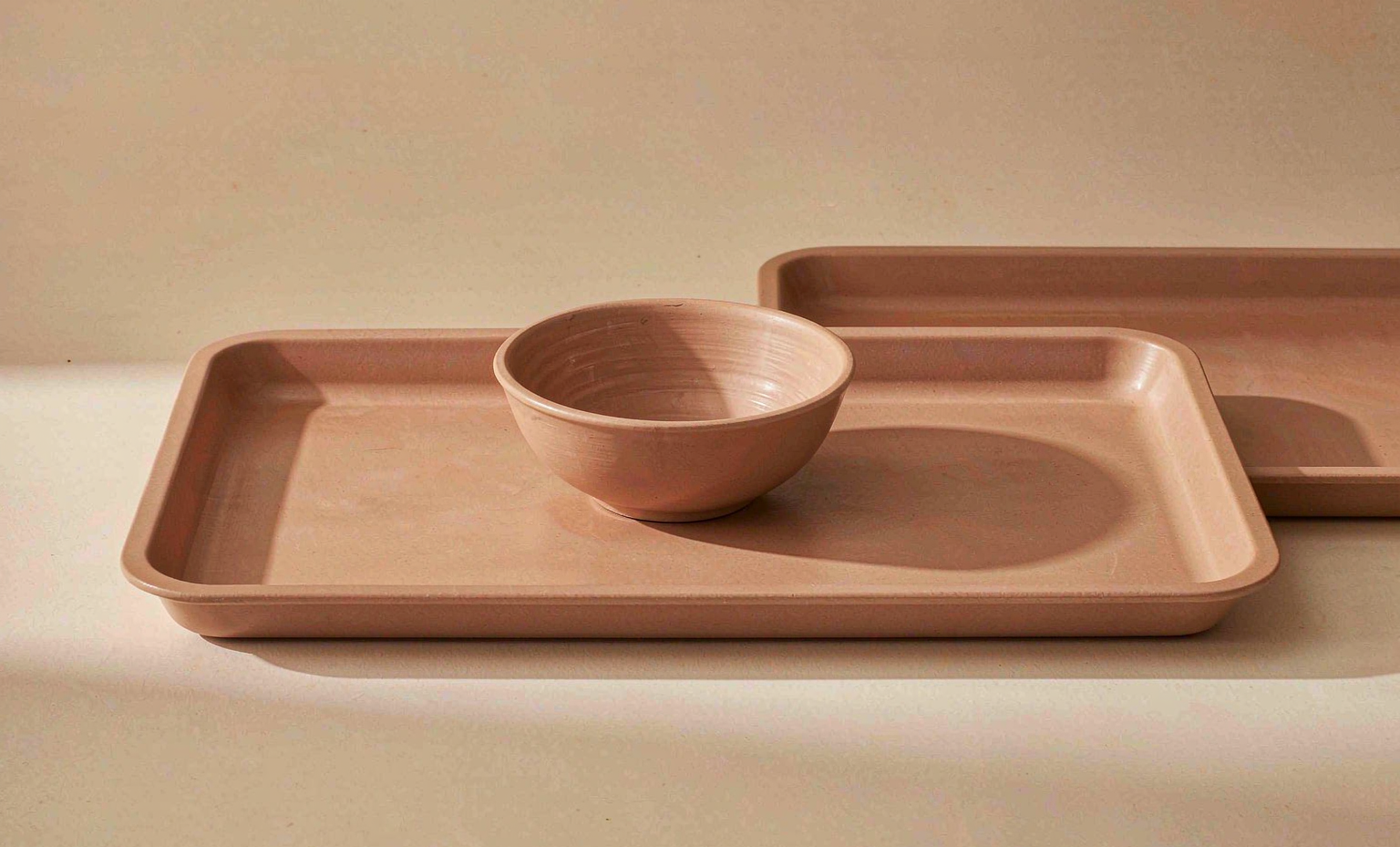
Siu mei — the Cantonese roast meats — is theater in a glass case: ducks and char siu hanging in the window, chopped to order by a cleaver that never stops. The format spans street stall to restaurant, and its tableware carries the same DNA: the chopping board's authority, the rice-box system, the ginger-scallion oil that lands on everything, and a presentation that lets the lacquered meat speak.
The Chopping Board Authority
The cleaver station is the format's engine: heavy wood boards scarred by decades of honest work, the cleaver's rhythm, the two-handed chop. The board program: thick hardwood blocks (the mass absorbs the cleaver's blow), a sanitation discipline that respects wood's rules (scrub, dry, the audit's scoring check), and a retirement line for the gouges that deep-clean cannot recover. The board is the station's soul — its condition is the stall's craft read.
The Rice-Box System
The classic siu mei order lands in the rice box: rice beneath, chopped meat over, sauce drizzled, greens at the side. The vessel system at restaurant scale: the divided plate or the box-with-lid for takeaway, the sauce drizzle's timing (over the meat at the pass, never pre-soaked), and the box's grease logic (the lacquer's glaze is oil-rich by design). The specs: dividers that keep the greens from the meat's glaze, lids that vent (steamed crisp skin is a contradiction), and the portion gradient (small, regular, large boxes) that matches the menu.
The Presentation Plates
The restaurant tier plates the meats: the char siu fanned on a broad plate, the duck presentation with its skin up, the mixed platter (siu mei platter) for the table. The specs: plates that flatter the lacquer (dark or pale neutrals — the meat's red-gold is the color), rims that manage the sauce's drizzle, and a size that reads generous. The platter tier is the table's centerpiece: its arrangement — the three meats partitioned, the cucumber garnish, the drizzle's finish — is the format's photograph.
The Ginger-Scallion Oil Layer
The condiment that defines the format: ginger-scallion oil for the poultry, the sweet vinegar for the goose, the mustard for the offal. The vessels: small dense dishes and oil cups per setting, glazes that survive the oil films, and a refill rhythm that keeps the set alive through long meals. The oil's vessel spec is the format's chemistry test: ginger-scallion oil films polymerize on soft surfaces.
The Soup and Offal Pairing
The format's soup layer — the clear broth with the meal, the wonton noodle's pairing — rides its own bowls: the soup bowl with its spoon, the noodle bowl for the mixed orders. The offal dishes: the small plates for the braised items, the vinegar dips. The specs follow the Cantonese register: matched families, heat hold, and the small-vessel multiplication counted at clear-down.
The Display Case Interface
The hanging case is the format's storefront — and the ware program touches it: the trays beneath the hanging meats (drip management), the chopping board's public position, and the takeaway boxes staged in view. The case's hygiene read is instant: guests watch the meat they will eat, so the case's trays, the board's surface, and the cleaver's state are the kitchen's public audit. The display discipline: trays changed on rhythm, the board wiped between orders, the box stack squared.
The Order Vocabulary
Siu mei orders speak in cuts and combinations — half a duck, char siu lean, the mixed box — and the ware follows the vocabulary: portion boxes sized to the cut vocabulary, the platter's partition geometry matching the combination logic, and the chop's size convention (the bite-sized chop is the standard). The chain's discipline: the portion standard written per cut, so every store's half-duck looks the same.
The Wonton Noodle Crossover
Many siu mei houses run wonton noodles — the crossover's vessels: the noodle bowl with its spoon and chopsticks, the wonton spoon's count, the broth's heat hold. The specs: the noodle bowl's mouth (the wonton's lift), the broth's temperature to the table, and the chili oil's dish on the side. The crossover multiplies the fleet modestly and the menu's reach considerably.
Frequently Asked Questions
What makes the chopping board different here? Mass and rhythm: thick hardwood blocks that absorb the cleaver's blow, with a sanitation discipline and a gouge-based retirement line. The board is the station's soul.
Why does the sauce drizzle happen at the pass? The lacquer's glaze is oil-rich by design — pre-soaked meat steams its own skin soft in the box. Drizzle at the pass, vent the lid, keep the skin's crack.
What does ginger-scallion oil demand of tableware? Oil-tight, hard-fired surfaces — the films polymerize on soft glazes. The oil cups and dishes sign the same chemistry contract as the kitchen's holding vessels.
How does the display case touch the ware program? As a public audit: the drip trays, the board's surface and the cleaver's state are watched by the guests who will eat the meat. Trays change on rhythm; the board wipes between orders.
What is the order vocabulary's ware consequence? Portion boxes sized to the cut vocabulary and partition geometry that matches the combinations — every store's half-duck and mixed box should look the same.

