
Oct 29, 2026Material & Compliance
BPA-Free and Phthalate Claims on Tableware, Decoded
"BPA-free" is on every package — but what does it certify, what does it not, and where do phthalates fit? A buyer's decoder for polymer claims on tableware.
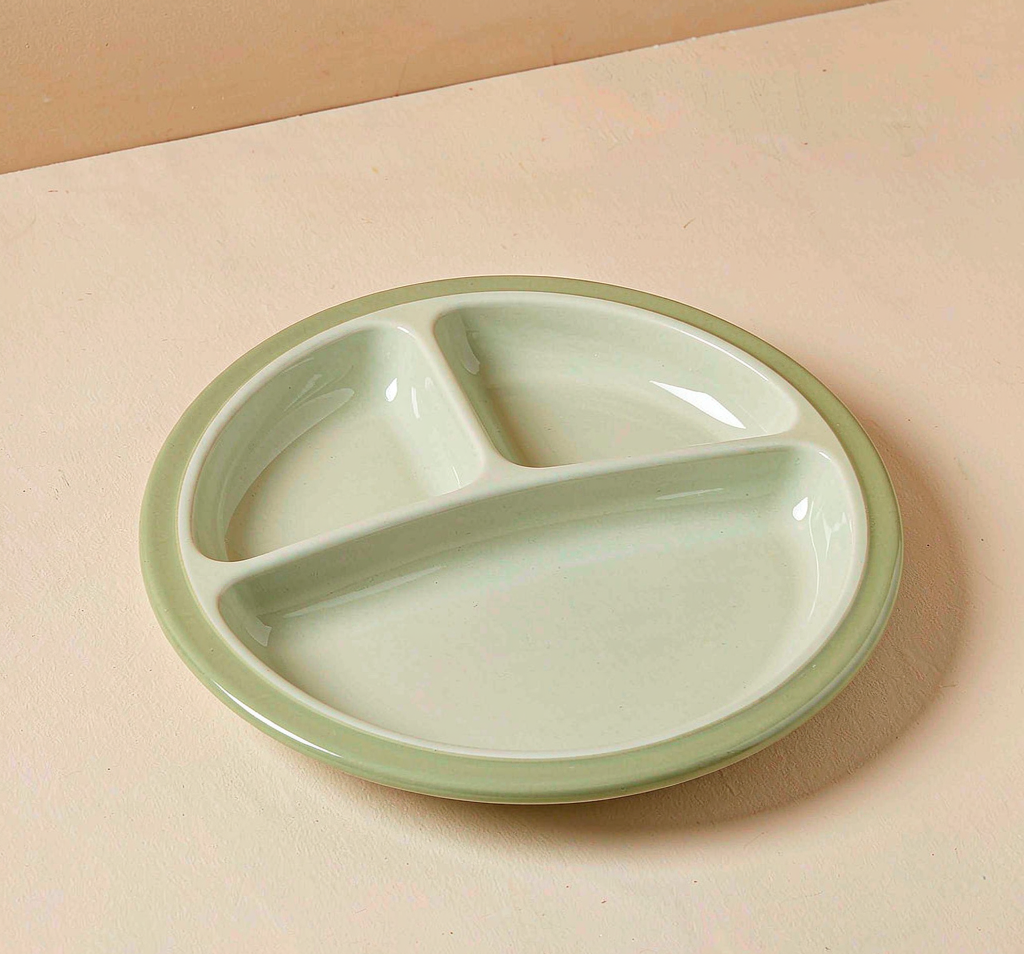
"BPA-free" is the polymer world's most successful label — and one of its least understood. It certifies one chemical's absence, says nothing about the rest, and sits next to other claims (phthalate-free, food-grade, microwave-safe) that carry their own fine print. The buyer's decoder: what BPA is, what the claim certifies, where phthalates fit, and the questions that turn labels into evidence.
What BPA Actually Is
BPA (bisphenol A) is a chemical building block for polycarbonate plastics and epoxy resins — historically common in drinkware, food containers and can linings. The concern that reshaped the market: BPA can migrate from the material into food, and its hormone-mimicking behavior made regulators restrict it — baby bottles first, then broader food-contact rules. The result: the industry reformulated, and "BPA-free" became the polymer shelf's default claim.
What the Claim Certifies — and What It Does Not
The claim certifies: the polycarbonate-with-BPA formulation is absent from this piece. It does not certify: the replacement chemistry's safety (the "BPA-free" label can sit on materials whose substitutes have their own migration profiles), the absence of other substances (phthalates, heavy metals, the rest of the migration list), or the piece's food-contact compliance generally. The buyer's reading: BPA-free is one checkbox on a longer form — the form (the food-contact compliance, the test reports) is the real document.
The Replacement Chemistry Question
The industry's BPA-free reformulations — the bisphenol S and F substitutes, the new polymer grades — carry their own open questions: the substitutes' migration profiles are studied, and some markets have moved on them. The buyer's posture: the claim's era matters — the "BPA-free" that meant "we swapped in the newest thing" deserves the same test reports as the original. The chemistry question is not cynicism; it is the migration logic applied consistently: whatever the formulation, what moves into the food is the standard.
Where Phthalates Fit
Phthalates are plasticizers — the softeners that make rigid plastics flexible — historically common in PVC and some soft polymers. Their tableware relevance: the flexible tiers (lids, gaskets, soft-touch coatings, the squeeze-bottle tiers), where the softener's migration is the question. The regulatory map: several phthalates are restricted in food-contact applications across major markets. The buyer's line: the phthalate-free claim on the soft tiers (lids and gaskets especially) is the claim that matters most there — and it deserves the same paperwork discipline as BPA.
The Claims Hierarchy
The claims ladder, from strongest to weakest:
Claim tier | What it means | What to demand |
|---|---|---|
Tested compliance | Migration test reports against named standards | The report, batch-linked |
Declared compliance | The manufacturer's food-contact declaration | The DoC, specific and signed |
Attribute claims | "BPA-free," "phthalate-free" | The scope: certified by whom, tested how |
Marketing language | "Food safe," "eco," "healthy" | Nothing — treat as decoration until evidenced |
The hierarchy's discipline: the claims lower on the ladder are questions, not answers. The buyer converts them upward with paperwork.
The Microwave and Heat Interaction
Heat is migration's accelerator: the polymer tiers' microwave and dishwasher claims interact with the chemical claims — a "BPA-free" container that is not microwave-safe is a heat-boundary product. The buyer's map: the heat claims and the chemical claims read together (the container's full conditions of use), and the training states both ("this cup is top-rack, never microwave, BPA-free by test report"). The heat interaction is where the claims meet the kitchen.
The Buying Questions
The decoder's questions, asked in order: ① What is the material, named? ② What food-contact framework does it meet, named? ③ What tests exist, from which lab, on which batch? ④ What are the heat conditions of use? ⑤ What do the attribute claims (BPA, phthalate) certify specifically? The questions take one email cycle and convert the label into evidence. The buyer who asks them buys the fleet; the buyer who doesn't buys the label.
Frequently Asked Questions
What does BPA-free actually certify? One thing: the BPA formulation is absent. It says nothing about substitutes, other substances, or general food-contact compliance — one checkbox on a longer form.
Where do phthalates matter in tableware? The flexible tiers: lids, gaskets, soft coatings — the plasticizer's home. The phthalate-free claim matters most there, with the same paperwork discipline.
Are BPA-free substitutes safe? The substitutes carry their own studied migration profiles — some markets have moved on them. The consistent standard is migration testing, whatever the formulation.
How do heat claims interact with chemical claims? Heat accelerates migration: read them together — the full conditions of use, stated and trained ("top-rack, never microwave, BPA-free by test").
What are the right buying questions? The material named, the framework named, the tests named, the heat conditions stated, the attribute claims scoped. One email cycle turns labels into evidence.

